Menopause Symptoms:
The Complete Guide to Understanding What's Happening
Why Symptoms Feel So Overwhelming
Many women reach a point where they stop recognising themselves - physically, emotionally and mentally - but still can’t fully explain why.
Most women don't struggle because they can't find information about menopause symptoms.
They struggle because the symptoms rarely happen in isolation.
Sleep affects anxiety. Anxiety affects appetite. Poor sleep worsens brain fog. Stress amplifies hot flushes. Fatigue reduces your stress tolerance, which intensifies mood swings. Eventually it stops feeling like "a symptom." It starts feeling like your whole body has become unpredictable.
This is what I call the Menopause Action Gap™ - the gap between understanding what's happening in your body and knowing how to respond to it consistently in real life.
You might read about sleep strategies, anxiety management, and nutrition for energy. But applying all of that simultaneously, in a way that actually works in your life? That's where most women get stuck.
This guide walks you through the most common menopause symptoms, what causes them, and the evidence-based lifestyle strategies that can help you manage them effectively. More importantly, it explains how these symptoms connect - and why a holistic approach works better than isolated fixes.
You Might Recognise Yourself Here If…
you suddenly feel unlike yourself
your body feels unpredictable
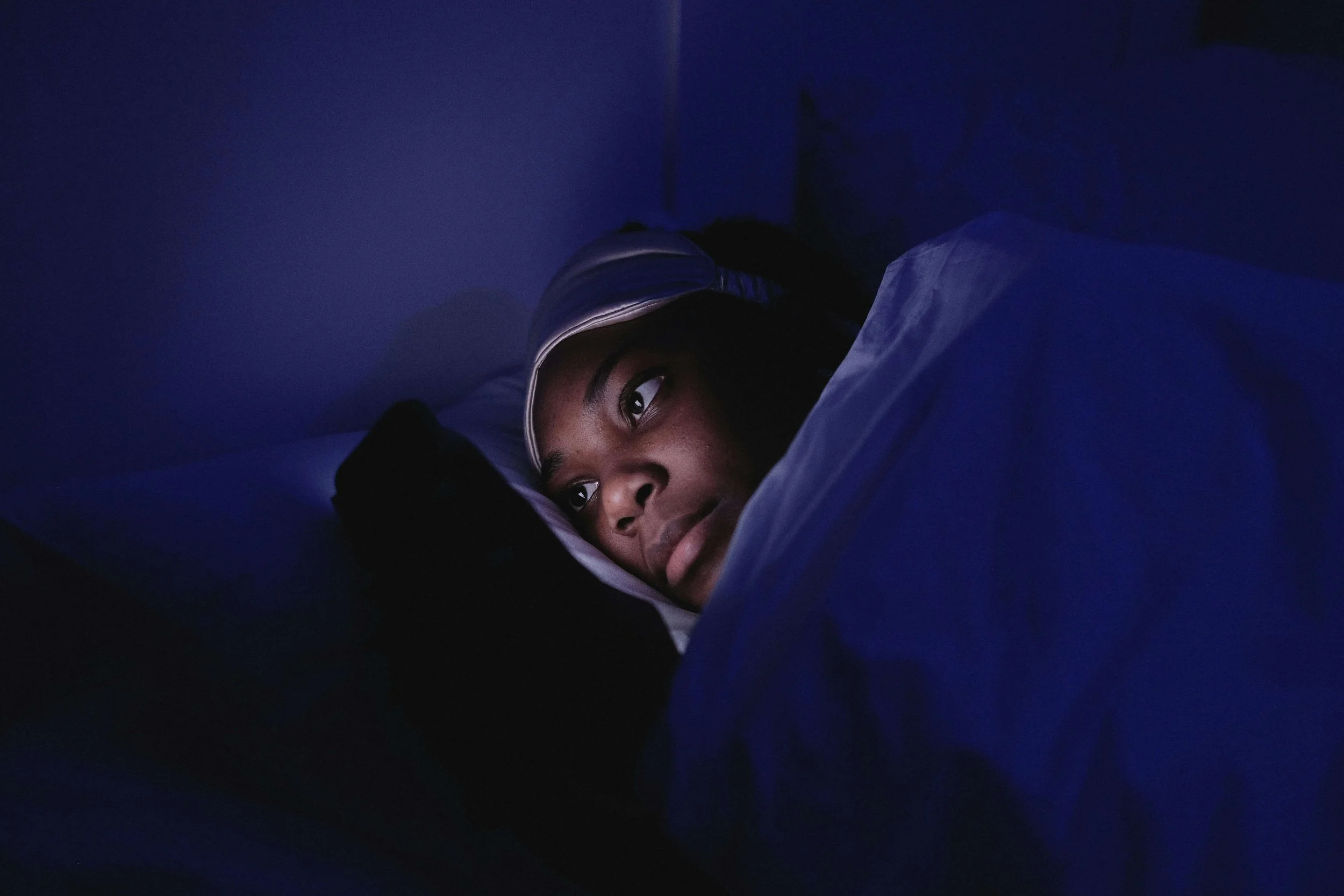
you're exhausted but can't sleep properly
your anxiety feels higher than it used to
your tolerance for stress has disappeared
your weight, mood or energy no longer respond the way they used to
you've been told your blood tests are “normal” but you still feel off
you've started wondering whether this is stress, burnout, ageing - or menopause
Many women spend years trying to fix symptoms individually before realising the changes are connected.
Understanding the Menopause Symptom Landscape
Menopause symptoms typically fall into several categories:
Sleep and rest - disrupted sleep, early waking, night sweats
Temperature regulation - hot flushes, night sweats, feeling cold
Mood and emotional wellbeing - anxiety, low mood, irritability, rage
Cognitive function - brain fog, memory issues, difficulty concentrating
Physical sensations - joint pain, muscle aches, nerve sensations, skin changes
Energy and fatigue - persistent tiredness, reduced resilience
What's important to understand is that these symptoms are interconnected. Poor sleep worsens mood and cognitive function. Stress and anxiety intensify hot flushes and sleep disruption. Hormonal changes affect everything.
This is why a holistic approach - addressing sleep, nutrition, movement, stress, and lifestyle - is so much more effective than trying to "fix" individual symptoms in isolation.
Explore Symptoms by Category
Sleep & Nervous System
Menopause insomnia
3am waking
anxiety
wired but tired
panic sensations
Cognitive & Emotional Symptoms
brain fog
memory issues
rage
mood swings
overwhelm
Physical Symptoms
joint pain
shoulder pain
itchy skin
burning skin
restless legs
palpitations
Hormonal & Metabolic Symptoms
hot flushes
fatigue
weight changes
cravings
hormonal imbalance
Early Perimenopause Signs
irregular cycles
emotional changes
sleep disruption
unexplained fatigue
Sleep and Insomnia in Menopause
Why You Wake at 3am in Perimenopause Even When You’re Exhausted
Oestrogen plays a crucial role in sleep regulation. As oestrogen declines, your sleep architecture changes: you may fall asleep more easily but wake frequently, or you may struggle to fall asleep at all. Night sweats - triggered by hormonal fluctuations - can wake you multiple times per night.
Early morning waking (particularly around 3am) is extremely common and is often driven by cortisol and blood sugar shifts, not just anxiety.
What You Can Do
Stabilise blood sugar: Eating protein with your evening meal and avoiding refined carbs helps prevent the 3am cortisol spike that wakes you.
Manage temperature: Keep your bedroom cool (around 16-18°C), use breathable bedding, and consider moisture-wicking sleepwear.
Create a wind-down routine: Screen-free time before bed, gentle breathing, or journalling can calm your nervous system.
Consider meal timing: Eating earlier in the evening (3 hours before bed) can reduce night sweats and sleep disruption.
Related article: Why You Can't Sleep in Midlife (And What Actually Fixes Menopause Insomnia)
Related article: Waking at 3am in Menopause? It's Not Anxiety — Here's What's Actually Happening
Hot Flushes and Night Sweats
What's Happening
Hot flushes are triggered by rapid oestrogen fluctuations, which confuse your hypothalamus (your body's temperature control centre). Your body suddenly thinks it's overheating and triggers a flush - a sudden wave of heat, redness, and often sweating.
Night sweats are the nocturnal version: you wake drenched, disrupting your sleep and leaving you exhausted.
What You Can Do
Avoid known triggers: Alcohol, caffeine, spicy foods, and hot environments can intensify flushes.
Layer your clothing: Wear breathable fabrics that you can remove quickly.
Manage stress: Stress hormones intensify hot flushes, so practices like breathing, movement, and meditation help.
Support your nervous system: Regular movement, adequate protein, and stable blood sugar all reduce flush frequency.
Related article: Why Hot Flushes Happen (And How to Calm Them Quickly)
Brain Fog and Cognitive Changes
Why Brain Fog Makes You Feel Like You’re Losing Yourself
Oestrogen supports memory formation, focus, and processing speed. As oestrogen declines, many women experience:
Difficulty concentrating
Memory lapses or forgetfulness
Slower processing speed
Difficulty with multitasking
Word-finding difficulty
This is real. It's not laziness or early dementia. It's a temporary cognitive shift driven by hormonal change.
What You Can Do
Prioritise sleep: Cognitive function depends on sleep quality. Fixing sleep often fixes brain fog.
Stabilise blood sugar: Blood sugar crashes worsen brain fog. Eat protein with every meal and snack.
Stay hydrated: Dehydration intensifies brain fog.
Move regularly: Exercise improves blood flow to the brain and supports cognitive function.
Reduce cognitive load: Simplify your schedule, use systems and checklists, and give yourself permission to do less.
Related article: Why You Can't Think Clearly in Menopause (And How to Fix Brain Fog)
Anxiety and Mood Changes
The Anxiety-Menopause Connection
Oestrogen influences serotonin and GABA—your brain's "calming" neurotransmitters. As oestrogen declines, anxiety can spike, sometimes for the first time in your life. You might experience:
Generalised anxiety or worry
Panic-like symptoms
Social anxiety
Obsessive thoughts
A sense of impending doom
This is not a character flaw. It's a neurochemical shift.
What You Can Do
Understand the stress-anxiety spiral: Stress and anxiety intensify each other. Breaking the cycle requires addressing both.
Regulate your nervous system: Breathwork, movement, meditation, and time in nature all activate your parasympathetic nervous system (your "rest and digest" state).
Support your gut health: Your gut microbiome influences serotonin production. Adequate fibre, fermented foods, and diverse plant foods help.
Limit caffeine: Caffeine can intensify anxiety in menopause.
Build social connection: Isolation intensifies anxiety. Prioritise time with people who support you.
Related article: Why Does Anxiety Spike in January…Is It Perimenopause or Stress?
Related article: The Stress–Anxiety Spiral in Perimenopause & Menopause: How to Break It Before It Breaks You
Rage and Mood Swings
Why You Feel Angrier
Oestrogen also influences your emotional regulation and stress resilience. As oestrogen declines, your stress tolerance narrows. Things that used to roll off your back now trigger intense anger or irritability. You might:
Feel disproportionately angry at minor frustrations
Snap at people you love
Feel emotionally reactive or "on edge"
Experience sudden mood shifts
This is not a character flaw. Your nervous system is more reactive because your hormonal buffer is smaller.
What You Can Do
Recognise the pattern: Understanding that this is hormonal, not personal, helps you respond with compassion instead of shame.
Create space before reacting: When you feel anger rising, pause. Take three deep breaths. Step away if you need to.
Address the underlying load: Rage often signals that you're carrying too much. What can you delegate, simplify, or let go of?
Move your body: Physical activity is one of the most effective ways to process anger and regulate your nervous system.
Communicate your needs: Let people close to you know what's happening. Ask for support.
Related article: Losing Your Sh*t: Mood Swings & Rages in Perimenopause
Related article: Why Your Mood Feels So Unstable in Perimenopause (And How to Steady It)
Joint Pain and Muscle Aches
What's Happening
Oestrogen supports collagen production and reduces inflammation. As oestrogen declines:
Joints become less lubricated
Inflammation increases
Collagen breaks down faster
Muscle recovery slows
You might experience new aches, particularly in your hips, shoulders, knees and lower back.
What You Can Do
Prioritise strength training: Muscle supports joints and reduces pain. Resistance training is one of the most effective interventions.
Support collagen production: Adequate protein, vitamin C, and hydration all support collagen synthesis.
Manage inflammation: Anti-inflammatory foods (fatty fish, berries, leafy greens, olive oil) help reduce joint pain.
Move consistently: Gentle, regular movement keeps joints mobile and reduces stiffness.
Consider your sleep: Poor sleep intensifies inflammation and pain perception.
Related article: Why Your Hips Ache at Night in Menopause (And What Actually Helps)
Related article: Shoulder Pain in Perimenopause and Menopause: Why It Happens and What Helps
Skin Changes and Nerve Sensations
Why Your Skin Changes
Oestrogen supports skin hydration, elasticity, and nerve function. As oestrogen declines, you might experience:
Dryness or itching
Crawling sensations or tingling
Burning skin sensations
Restless legs (particularly at night)
Electric shock-like sensations
These sensations are real and can be distressing, but they're temporary and manageable.
What You Can Do
Hydrate from within: Drink adequate water and eat water-rich foods.
Nourish your skin: Use moisturiser, avoid harsh soaps, and consider adding omega-3 rich foods to your diet.
Support nerve health: B vitamins, particularly B12 and folate, support nerve function.
Manage temperature: Keep your environment cool and wear breathable fabrics.
Move and stretch: Regular movement and stretching can reduce restless leg symptoms.
Related article: Why Am I So Itchy at Night in Menopause? (Restless Legs, Crawling Skin & What Helps)
Related article: Why Your Skin Feels Like It's Burning in Menopause (Tingling, Electric Shocks Explained)
Heart Palpitations and Chest Sensations
What's Happening
Heart palpitations—a fluttering, racing, or pounding sensation in your chest—are common in menopause. They're usually benign and driven by hormonal changes and anxiety, but they can feel frightening.
Oestrogen affects heart rate variability and blood vessel function. As oestrogen declines, your heart may feel more reactive to stress, caffeine, or physical exertion.
What You Can Do
Get checked by your GP: If you're experiencing new palpitations, it's important to rule out any underlying cardiac issues. Your GP can do a simple ECG to confirm everything is fine.
Reduce caffeine: Caffeine can trigger palpitations. Consider reducing or eliminating it.
Manage stress: Anxiety intensifies palpitations. Breathing exercises and relaxation techniques help.
Stay hydrated: Dehydration can trigger palpitations.
Avoid alcohol: Alcohol can increase palpitations.
Move regularly: Gentle, consistent exercise helps regulate your heart rate.
Related article: Heart Racing or Fluttering in Menopause? What's Normal, What's Not, and How to Calm It
Migraines in Perimenopause
Why Migraines Change
Oestrogen fluctuations are a known migraine trigger. In perimenopause, when oestrogen levels are erratic, migraines often increase in frequency or intensity. Some women experience migraines for the first time in menopause.
What You Can Do
Track your migraines: Keep a simple log of when migraines occur, what you ate, your stress level, and your sleep. Patterns often emerge.
Stabilise blood sugar: Blood sugar crashes can trigger migraines. Eat regular meals with protein.
Stay hydrated: Dehydration is a common migraine trigger.
Manage stress: Stress and tension are major migraine triggers. Prioritise relaxation and movement.
Consider your caffeine intake: For some women, caffeine helps migraines; for others, it triggers them. Notice your pattern.
Support magnesium: Magnesium supports migraine prevention. Include magnesium-rich foods (leafy greens, nuts, seeds, whole grains).
Related article: Why Am I Getting Migraines in Perimenopause? Hormones, MHT and What Actually Helps
Fatigue and Low Energy
Why You're So Tired
Menopause fatigue is real. It's driven by:
Poor sleep quality
Hormonal changes that affect energy production
Increased stress load
Reduced resilience to overwhelm
Often, years of over-functioning
This isn't laziness. Your body is signalling that something needs to shift.
What You Can Do
Prioritise sleep: Everything else depends on sleep. Make sleep your non-negotiable foundation.
Stabilise blood sugar: Blood sugar crashes cause energy crashes. Eat regular meals with protein, healthy fats, and complex carbs.
Move consistently: Regular movement (particularly strength training) improves energy and resilience.
Assess your load: Are you carrying too much? What can you delegate, simplify, or let go of?
Build in rest: Rest is not laziness. It's essential for recovery and resilience.
When to Seek Medical Support
While lifestyle strategies are powerful, some symptoms benefit from medical support. Consider talking to your GP or a menopause specialist if you:
Experience severe symptoms that significantly impact your quality of life
Have migraines with aura (which may require specialist assessment)
Experience severe mood changes or depression
Have concerns about your heart health
Want to explore Menopause Hormone Therapy (MHT/HRT) or other medical options
Your GP can help you understand your options and create a plan that combines medical care with lifestyle support.
Why Information Alone Often Isn’t Enough
Most women have already:
read articles
listened to podcasts
tried supplements
changed their diet
But menopause rarely affects just one system at a time.
This is why many women stay stuck:
not because they aren’t trying -
but because they’re trying to solve interconnected symptoms in isolation.
Where Menopause Coaching Fits In
Many women already understand menopause symptoms intellectually.
What they struggle with is applying support strategies consistently when:
they're exhausted
overwhelmed
juggling work, family and stress
trying to interpret conflicting advice online
This is where menopause coaching can help.
Not by replacing medical care -
but by helping you:
make sense of your symptom patterns
build sustainable habits
implement nutrition and lifestyle changes realistically
reduce overwhelm
create structure and accountability
This is often the missing piece between:
“knowing what helps”
and
actually being able to follow through consistently.
The Menopause Action Gap™: Why Understanding Isn't Enough
You now understand what's happening. You know that sleep affects anxiety, that blood sugar affects energy, that stress amplifies symptoms.
But here's the challenge: knowing this doesn't automatically translate into knowing how to apply it.
Because these systems are interconnected. Improving sleep requires stable blood sugar. Stable blood sugar requires consistent meal timing. Consistent meal timing requires planning and accountability. Managing stress requires movement, which requires energy you don't have because your sleep is disrupted.
It's a cycle. And breaking it requires more than information.
This is where the distinction between understanding and action becomes critical.
Closing the Menopause Action Gap™: The MHC Method™
The MHC Method™ is my structured, evidence-informed approach to helping women navigate perimenopause and menopause more clearly and consistently.
It focuses on helping women:
Connect what's happening in their body - understanding how your symptoms interact and influence each other
Stabilise the systems driving symptoms - addressing sleep, blood sugar, nervous system load, and hormonal shifts simultaneously
Apply sustainable changes in a way that works in real life - building habits that fit your life, not adding more overwhelm
Rather than relying on restriction, overwhelm or starting over repeatedly, the MHC Method™ combines physiology, behaviour change and practical lifestyle support to help women build steadier energy, resilience and long-term wellbeing.
How the MHC Method™ Works for Symptoms
The MHC Method™ recognises that symptom management isn't about isolated fixes. It's about connecting the patterns.
In the Symptoms Pillar, the MHC Method™ emphasises pattern recognition: understanding how your sleep disruption, anxiety and fatigue are connected. Once you see the pattern, you can address the root cause instead of chasing individual symptoms.
This is why women who work with the MHC Method™ often find that improving one system (like sleep) naturally improves others (like anxiety and brain fog). They're not separate problems to solve. They're interconnected systems to stabilise.
Next Steps: Understanding Your Symptoms
If you're experiencing menopause symptoms and want to understand them better, here are some questions to explore:
→ Do I actually need menopause support right now?
→ What does a menopause health coach actually do?
→ Is menopause coaching worth it?
→ Menopause coaching vs GP vs therapy
→ How to choose the right menopause coach
When Understanding Isn’t Enough Anymore
Understanding your symptoms is the first step. The next step is knowing how to support yourself - consistently, realistically, and in a way that fits your life.
You do not need to wait until symptoms become unbearable before getting support.
Many women reach out because they are:
exhausted from second-guessing themselves
overwhelmed by conflicting advice
struggling to connect the dots between symptoms
frustrated that nothing seems to work consistently
Menopause coaching helps turn information into practical, sustainable action.
If you're ready to move from understanding to action, book a free 30-minute Menopause Clarity Call. We'll discuss what symptoms are affecting you most, what you've already tried and create a personalised roadmap for managing them effectively using the MHC Method™.
Professional Experience
Over the years, I've worked with women experiencing a wide range of menopause symptoms - from sleep disruption and anxiety to fatigue, weight changes, joint pain and cognitive symptoms.
One of the most consistent patterns I see is that symptoms rarely happen in isolation. Once women begin understanding how these systems interact, change often feels far more manageable and less overwhelming.
Disclaimer:
This content is for educational purposes and is provided within the scope of practice as a Health & Nutrition Coach registered with UKIHCA. It does not constitute medical advice and should not replace consultation with a qualified healthcare professional. If you have concerns about your symptoms or health, please consult your GP or a menopause specialist.