

GLP-1 and Menopause:
Specialist Coaching Support for Weight, Metabolism and Transitioning Off
GLP-1 medications in menopause require a different approach than GLP-1 in younger women. Menopause is already creating metabolic challenges - you need to be strategic to protect muscle, avoid deficiencies and maintain results long-term.
Even if coaching isn't right for you, you'll leave with clarity.
The Menopause Action Gap™
Understanding how to use GLP-1 safely in menopause doesn't automatically tell you how to maintain your results long-term.
You might read about protein requirements, strength training, and transition strategies. But implementing all of that consistently - while managing appetite changes, reduced energy, and weight loss psychology - is where most women get stuck.
How GLP-1 medications work
The mechanism
-
Appetite suppression
You feel less hungry and more satisfied with smaller portions.
-
Improved blood sugar control
Cells respond better to insulin, reducing spikes, crashes and cravings.
-
Slowed gastric emptying
Food moves through your stomach more slowly, keeping you full longer.
-
Reduced food noise
Cravings - particularly for sugar and refined carbohydrates - significantly reduce.
GLP-1 + menopause - the unique intersection
Why menopause changes everything about using GLP-1
-
Compounded metabolic slowdown
Menopause and ageing together can contribute to lower energy expenditure, changes in body composition and reduced muscle mass. GLP-1 medications further reduce overall calorie intake, which can increase the importance of protecting muscle and nutritional intake.
-
Accelerated muscle loss
Menopause/ageing already accelerates muscle loss. Severe calorie restriction can accelerate this further without adequate protein and strength training.
-
Nutrient deficiency risk
Menopause increases needs for calcium, vitamin D, B vitamins and iron. Reduced food intake creates significant deficiency risk.
-
Appetite return on stopping
Without supportive habits and ongoing strategies, significant weight regain is common after stopping GLP-1 medications.
If you're currently on GLP-1 - the critical priorities

Protein - even more critical than in menopause alone
On a GLP-1, your appetite is suppressed and food intake is reduced. This puts you at high risk of protein deficiency - which leads directly to muscle loss. With reduced total calories, protein must come first.
What to aim for
1.4–1.6g per kg body weight daily - higher than standard because you're eating less overall
For a 70kg woman: 98–112g of protein per day, spread across meals
Prioritise protein first at every meal so you protect muscle while eating less overall.
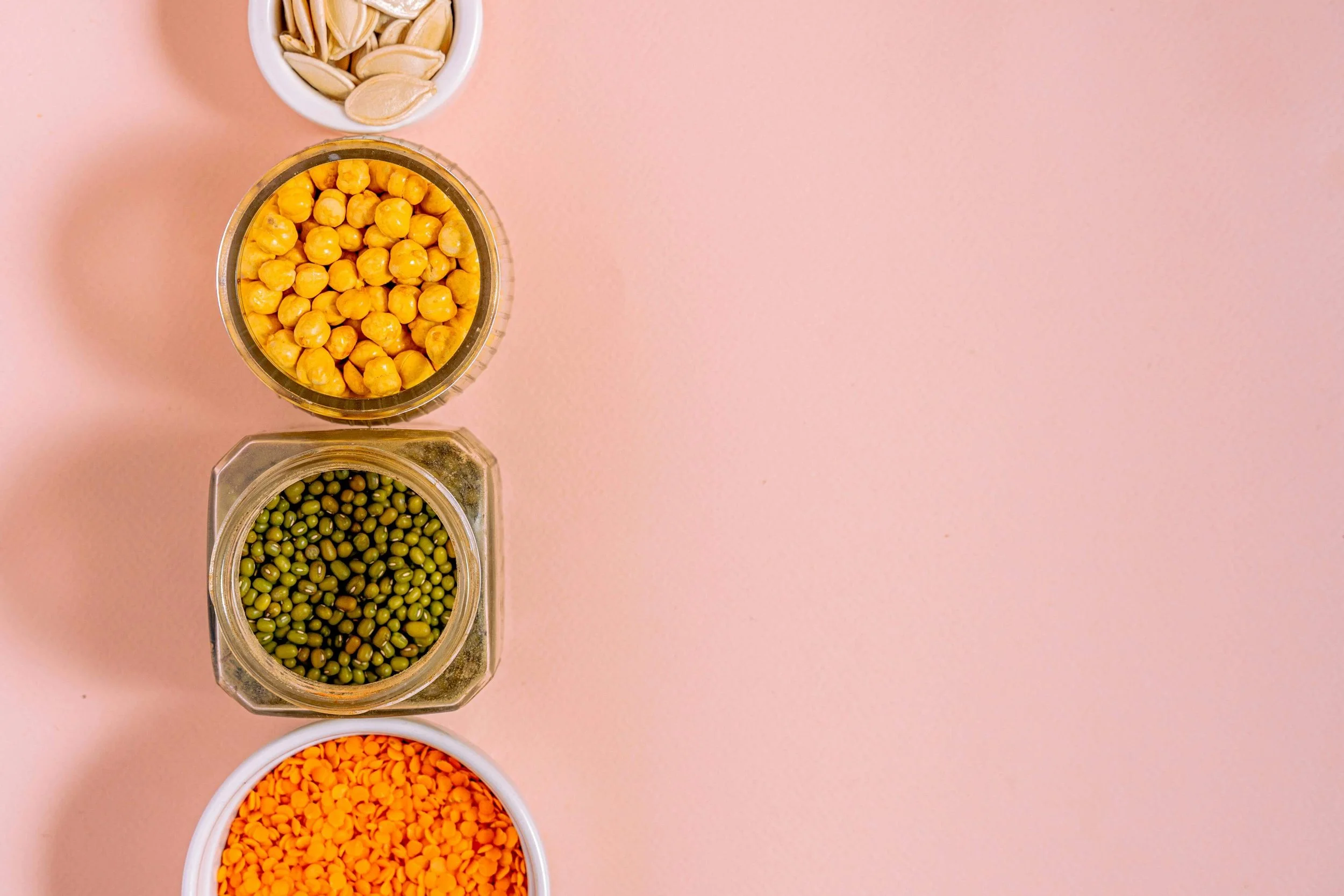
Sources: fish, eggs, poultry, Greek yoghurt, cottage cheese, legumes, nuts, seeds

Strength training - non-negotiable
Without strength training, your body loses muscle along with fat. Strength training signals your body to preserve muscle preferentially - protecting your metabolism now and long after you stop the medication.
What to aim for
2–3 sessions per week, all major muscle groups
30–45 minutes per session at moderate intensity - consistent beats intense
If energy is low on the medication, start lighter and shorter; build gradually
No gym needed - bodyweight, resistance bands, or dumbbells all work
Strength training on GLP-1s: lose fat without losing muscle →

Nutrient monitoring
With reduced food intake, nutrient deficiency is a real and underappreciated risk. Some women choose to discuss blood tests and nutritional monitoring with their GP before and during GLP-1 treatment, particularly if food intake is significantly reduced.
Key nutrients to monitor
Protein - obvious but critical
B12 - particularly if eating less animal protein
Iron - particularly if menstruating or with heavy periods
Calcium and Vitamin D - critical for bone health in menopause
Fibre - important for gut health and satiety
Managing side effects
Common side effects and what helps
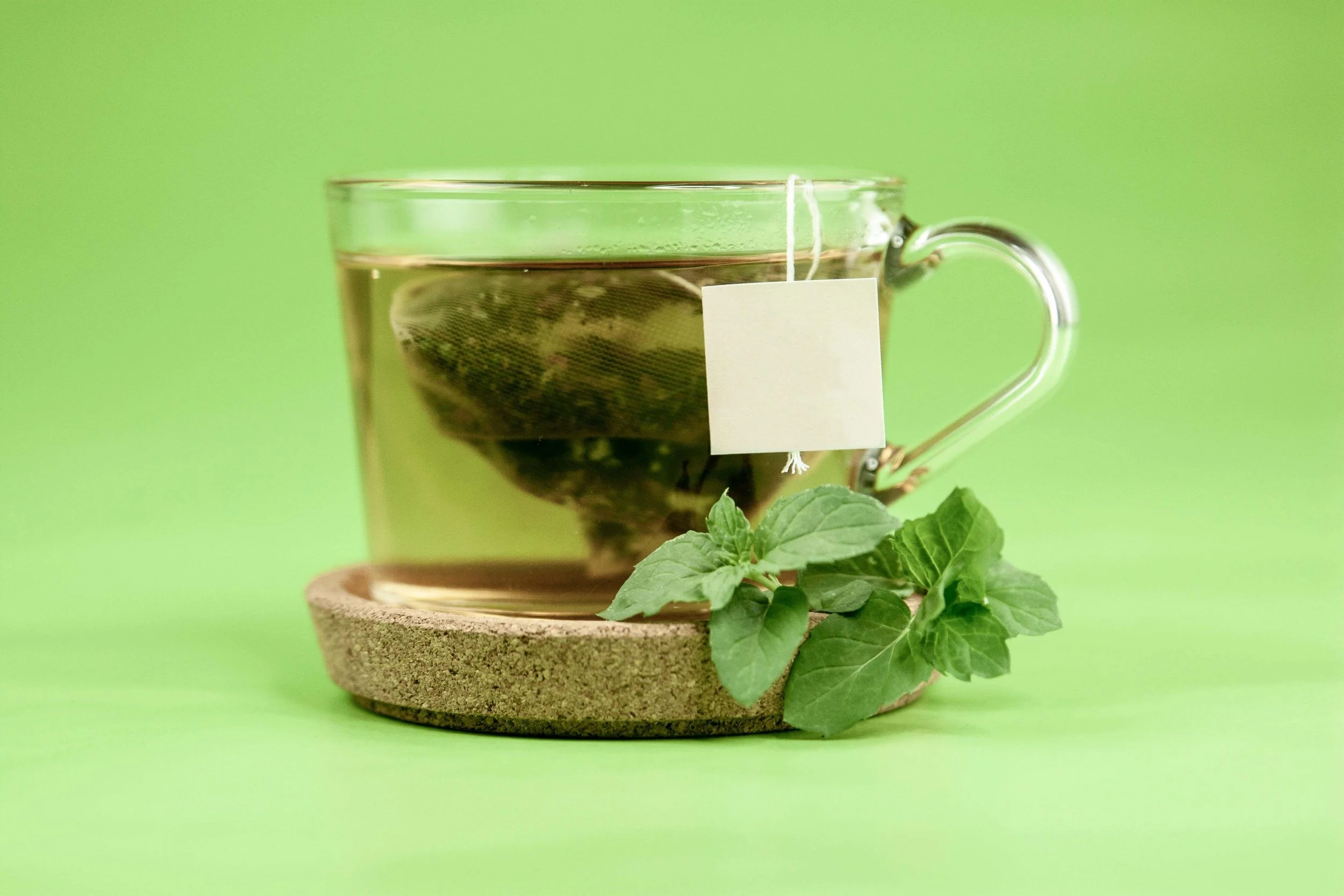
Nausea: eat smaller, more frequent meals; ginger tea and peppermint may help; usually improves over time
Constipation: increase fibre gradually, stay well hydrated, move regularly
Fatigue: often related to low calorie intake - ensure you're eating enough and sleeping well
Severe nausea or vomiting: contact your GP or prescribing clinician promptly.
Coming off GLP-1
The four-phase transition strategy
-
Establish consistent protein intake, regular strength training, stable meal structure and good sleep habits before you consider stopping. These habits need to be automatic, not effortful.
-
Work with your GP or prescribing clinician to reduce your dose gradually rather than stopping abruptly. This allows your appetite to return slowly, giving you time to adjust your eating habits.
-
Expect your appetite to return. Stick to your meal structure, eat regular meals (skipping intensifies hunger), stay hydrated and prioritise sleep - poor sleep directly intensifies hunger hormones.
-
The same strategies that protected you on GLP-1 continue to work after stopping: adequate protein, strength training, stable blood sugar, regular movement and good sleep.
The medications
Ozempic, Mounjaro and Wegovy in menopause
-
Ozempic
Semaglutide
Originally: Type 2 diabetes
Used for: Weight loss (as Wegovy)
How: Weekly injection
-
Mounjaro
Tirzepatide
Originally: Type 2 diabetes
Used for: Weight loss
How: Weekly injection
-
Wegovy
Semaglutide
Originally: Same as Ozempic
Used for: Weight loss (licensed)
How: Weekly injection
Nutrition strategy on GLP-1
Protein-first - every calorie must count
With reduced food intake, every calorie needs to work harder nutritionally. Start each meal with protein, then add vegetables, healthy fats and complex carbs. This ensures you meet your protein target even when eating less overall.
Breakfast
Eggs or Greek yoghurt + vegetables + whole grain
Dinner
Lean meat or legumes + vegetables + healthy fat
Lunch
Fish or chicken + vegetables + olive oil + whole grain
Snacks
Nuts, seeds, Greek yoghurt, or fruit
Managing the emotional transition
When food noise returns
Many women find that GLP-1 transforms their relationship with food. Suddenly, food noise disappears. When you stop, that changes - cravings return, eating becomes complicated again. This can feel like a loss.
What helps: acknowledge the transition honestly, celebrate what you've learned about how your body functions with stable blood sugar and recognise that you can recreate that through your habits. You're not starting from zero - you're building on what you now know.
GLP-1 is only one part of the menopause picture
If you're using, considering or coming off a GLP-1 medication, it's important to look beyond weight and appetite alone. Menopause can affect sleep, energy, brain fog, mood, stress and metabolism at the same time - and these symptoms can influence how you feel during treatment and how manageable your long-term changes become.
Understanding how those symptoms connect can help you see the bigger picture rather than treating each change in isolation. Explore the complete guide to menopause symptoms to understand how the wider menopause transition can affect your body and wellbeing.
The MHC Method™
Closing the Menopause Action Gap™
A structured, evidence-informed approach that addresses sleep, blood sugar, nervous system load and hormonal shifts - simultaneously, not in isolation.
-
1
Connect what’s happening in your body
-
2
Stabilise the systems driving symptoms
-
3
Apply sustainable changes that fit real life
Using GLP-1 in menopause and want specialist support?
Book a free 30-minute Menopause Clarity Call. We'll discuss your current situation, your goals, and create a personalised strategy for optimising your results and maintaining them long-term using the MHC Method™.
Even if we decide coaching isn't right for you, you'll leave with clarity.
This content is for educational purposes only and is provided within the scope of practice of a UKIHCA-registered Health & Nutrition Coach. It is not intended as medical advice, diagnosis or treatment. GLP-1 medications are prescription medications and should only be used under the supervision of a qualified healthcare professional.
Frequently Asked Questions About GLP-1 Medications and Menopause
These are some of the questions I hear most often from women considering or using GLP-1 medications during menopause.
-
Weight loss can involve some loss of lean mass as well as fat mass. When appetite and overall food intake are reduced on GLP-1 medications, paying attention to adequate nutrition, protein intake and resistance training can help support muscle preservation.
-
Protein provides the amino acids your body needs for muscle maintenance and repair. When appetite is reduced and overall food intake falls, prioritising protein and other nutrient-dense foods can help support muscle and nutritional adequacy.
-
Weight can increase after GLP-1 medication is stopped, particularly because appetite and food intake may change again. Building sustainable nutrition, movement and behaviour habits alongside medical treatment can help support longer-term weight management.
-
Resistance training can be a valuable part of a weight-management approach because it provides a stimulus for maintaining and building muscle. The right exercise programme depends on your health, experience and individual circumstances.
-
Aim for balanced, nutrient-dense meals that provide adequate protein, fibre, carbohydrates, healthy fats, vitamins and minerals. When appetite is reduced, choosing nutrient-dense foods can help you meet your nutritional needs without relying on large portions.
-
Yes. Reduced appetite and lower food intake can make it harder for some people to consume enough protein, fibre and essential nutrients. If you're concerned that you're not eating enough or are struggling to meet your nutritional needs, speak to an appropriate healthcare professional.
-
Appetite and food intake can increase after treatment is stopped, and some people regain weight. Decisions about stopping or changing a GLP-1 medication should always be discussed with your prescribing healthcare professional.
-
GLP-1 medicines are prescription medicines that should be used under the supervision of a healthcare professional. Whether a particular medicine is appropriate depends on your health, medical history, other medicines and the reason it has been prescribed. Menopause itself does not replace the need for an individual medical assessment.